What can we discover from genetic research?
MVP is the nation’s largest genetic research program. Thanks to the Veterans in our program, 100+ researchers have published 350+ findings. Read more about our discoveries in research areas that matter to Veterans.


Discover MVP's research
Researchers use information from MVP to find better ways to detect, prevent, and treat health conditions.

Many of us know someone experiencing PTSD or living with the effects of a TBI...I’m grateful I can be involved, and I’m motivated to keep doing research for the Veterans who make [MVP] possible.
PTSD
- Researchers found genes related to re-experiencing traumatic memories, which is a common symptom of PTSD.
- Researchers confirmed that the likelihood of experiencing PTSD can be inherited, meaning a person’s chance of carrying genes related to PTSD is higher if one or both of their parents had PTSD.
- This research may lead to improved PTSD screenings, preventions, and treatments for Veterans.
Substance Use
- Researchers found genes linked to opioid use disorder (OUD) that are related to substance use and psychiatric disorders. These genes may affect the brain more than the rest of the body, meaning OUD could be a brain disease.
- Researchers learned more about genes linked to alcohol use disorder, which is helping us understand the biology of alcohol use.
- This research may lead to reduced stigma and improved treatments for Veterans experiencing addiction and substance use.
Anxiety
- Researchers learned more about the genetic structure of anxiety disorders and their relationship to other mental disorders.
- Researchers found new insights into the biological basis for anxiety and related conditions.
- This research may help doctors better identify and treat anxiety in Veterans.
Depression
- Researchers identified many new gene variants that increase the risk for depression.
- MVP’s research helps the scientific community better understand the biological basis of depression, which may lead to improved drug treatments for depression.
Read more about our research findings related to mental health

How could genes affect your mental health?
VA NewsMVP is studying how different factors interact to affect health—including mental health. Learn about MVP’s research on PTSD, substance use, suicide prevention, and anxiety.

What we learned will help us better identify people most at risk of attempting suicide and come up withinterventions that are specific to their genes, their background, and recent life events.
Suicide Prevention
- Researchers learned that many Veterans who report a suicide attempt also experience severe sleep problems like insomnia.
- Researchers found that Veterans who attempted suicide had a harder time absorbing oxytocin—a natural hormone that helps us form feelings of bonding and trust—than Veterans who did not attempt suicide. A lack of oxytocin may contribute to feelings of social isolation.
- This research can help doctors better understand potential risk factors for suicide, which may lead to improved screenings and preventions.
- If you are in need of immediate help, contact the Veterans Crisis Line to receive 24/7 confidential support. You don’t have to be enrolled in VA benefits or health care to connect. Dial 988 then press 1, chat online at www.VeteransCrisisLine.net/Chat, or text 838255.
Read more about our research findings related to suicide prevention

Genetic research sheds new light on Veteran suicide risk
VA NewsVA Researchers look at genes and lifestyle factors to help improve suicide prevention for Veterans.

Our nation’s Veterans earned and deserve the highest quality care possible for their service-connected illnesses and injuries. MVP research is an invaluable tool for VA physicians and other medical personnel.
Traumatic Brain Injury (TBI)
- Researchers advanced our understanding of the relationships between PTSD, TBI, genetics, and dementia. They identified that PTSD and TBI are major risk factors for dementia, which may improve screenings and preventions for dementia in Veteran populations.
- Researchers studied the well-being of Veterans screened for deployment-related TBI. They found that some Veterans may still benefit from TBI treatment even if they do not have a formal TBI diagnosis.
Gulf War Illness (GWI)
- Researchers found that Veterans who deployed had a higher likelihood of displaying GWI symptoms than Veterans who did not deploy. This study lays the groundwork for future research into the biological and environmental factors associated with GWI.
Toxic exposures
- Researchers use information from MVP to study how a variety of toxic exposures affect Veteran health and the risk for certain illnesses.
- Post-9/11 and Gulf War Veterans have a higher risk of exposure to burn pits, which may indicate a higher risk for certain cancers. MVP researchers are studying ways to improve the detection of these cancers, including breast cancer, prostate cancer, and head and neck cancer.
- Vietnam Veterans may have been exposed to Agent Orange, which has been linked to illnesses like Parkinson’s disease and cancer. MVP researchers discovered a gene associated with Parkinson’s disease that is also associated with PTSD, which may help improve care for Veterans who have both Parkinson’s disease and PTSD.
Read more about our research findings related to military exposures

Join the Million Veteran Program to help Veterans from your service era
VA NewsMVP is researching health care issues that affect Veterans from different service eras. Find out how joining MVP helps advance health care.
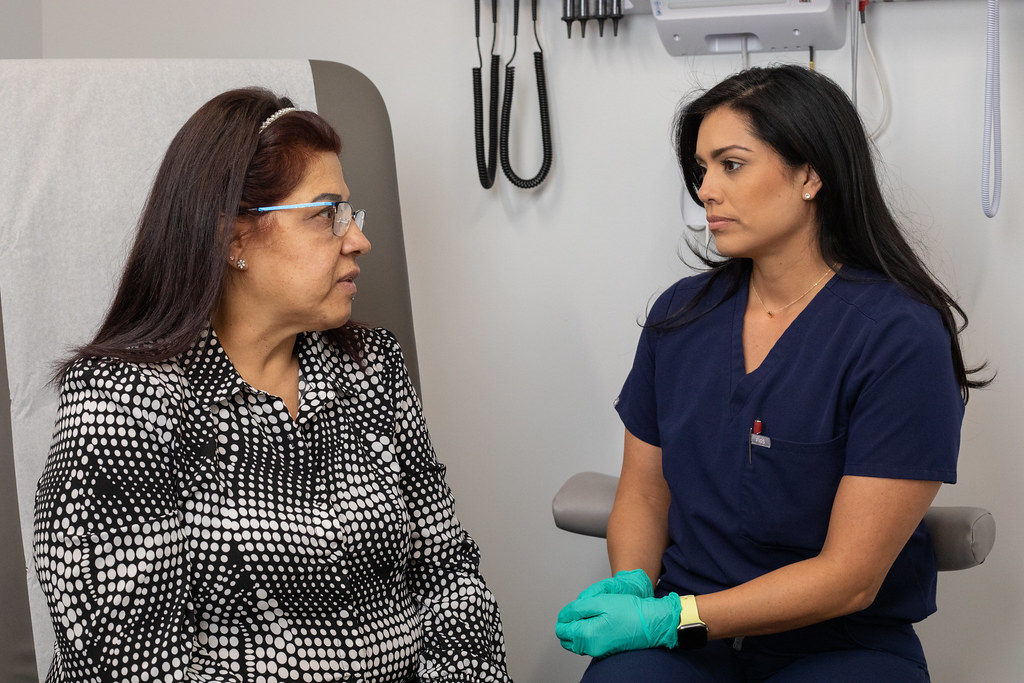
MVP’s research is crucial to our organization as it contributes valuable insights and data that enhance our understanding of the unique challenges and opportunities faced by military women.
MVP makes discoveries for women Veterans
Chart 1
Chart 1 Description
Chart 2
Chart description
Breast cancer
- Researchers discovered that commonly used breast cancer risk assessments did not predict breast cancer for women Veterans with African ancestry as well as it did for women Veterans with European ancestry.
- This finding lays the groundwork for researchers to develop breast cancer risk assessments that work better for women from minority populations.
Endometriosis
- Researchers found part of a gene that’s connected to both depression and endometriosis, which means endometriosis care may be improved by taking a whole health approach.
Osteoarthritis
- Researchers found potential genetic risk factors for osteoarthritis, which could lead to new interventions and treatments for women with osteoarthritis.
Read more about our research findings related to women’s health

Women representation in MVP helps strengthen health research
VA NewsWomen are the fastest-growing segment of the Veteran population, and one in 10 participants in MVP are women.

Four new discoveries about Women’s Health
VA NewsFor women Veterans, risk for certain diseases may be different from civilian women or male Veterans. Learn about new discoveries in women’s health made possible by women Veterans in MVP.
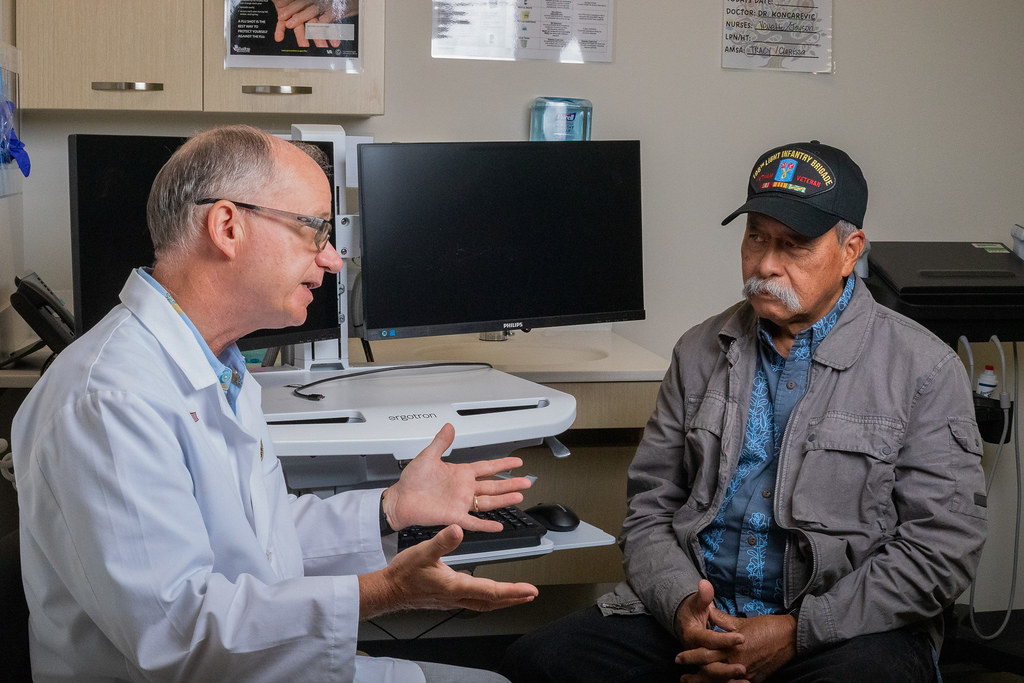
Using new genetic strategies through MVP helps us look at associations more carefully across diverse populations, not just for breast cancer risk but also for common disease types to bridge the knowledge between different ancestry groups.
MVP's Cancer Research
- Breast cancer: Researchers learned that a genetic screening test can predict breast cancer in women Veterans.
- Prostate cancer: Researchers discovered that a genetic screening test can help predict prostate cancer in male Veterans from many different racial and ethnic backgrounds.
- Head and neck cancers: Researchers found genes related to head and neck cancers that are different based on ethnicity.
Read more about our research findings related to cancer
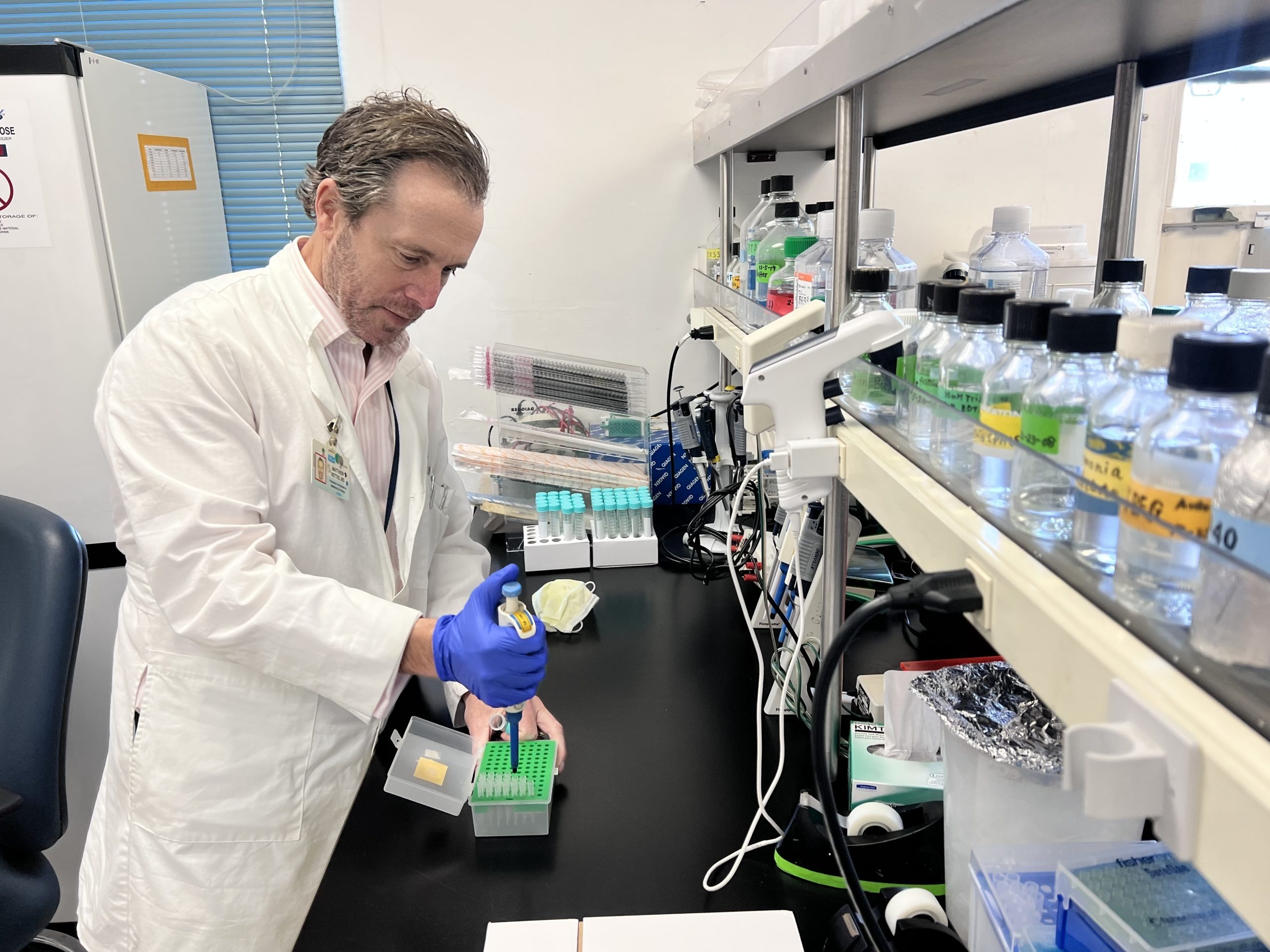
New VA study to develop artificial intelligence that can predict aggressive prostate cancer
VA NewsVA medical centers are working together to develop an Artificial Intelligence algorithm that can predict if a case of prostate cancer might spread to other parts of the body.
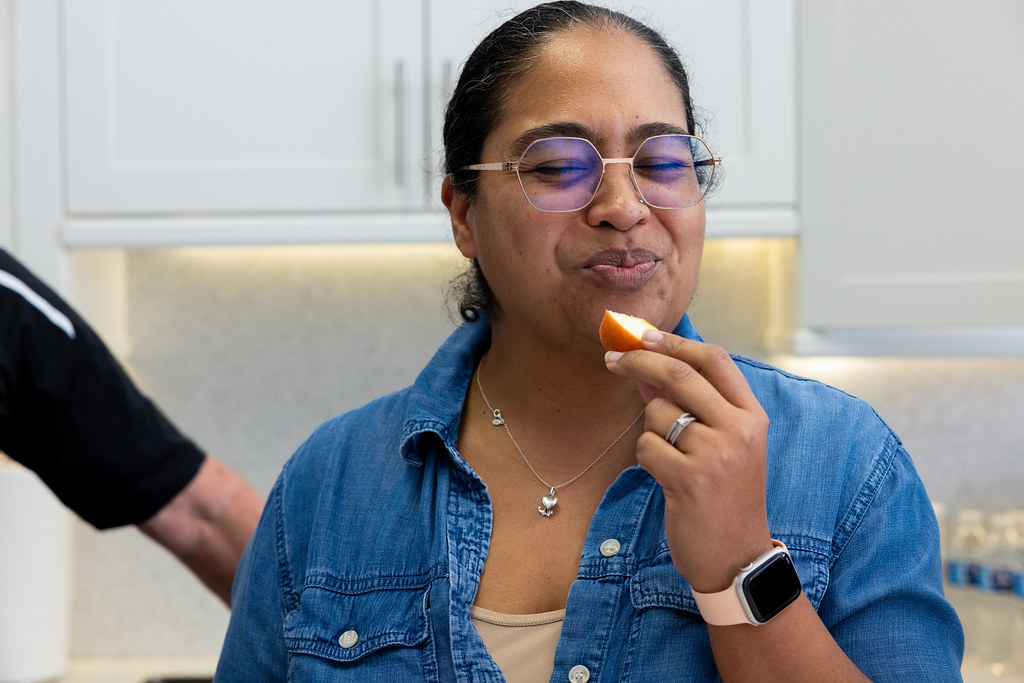
We chose to explore lifestyle factors among Veterans participating in MVP because it is a unique opportunity to better understand and care for a specific population of people who have devoted themselves to service.
Researchers found how nutrition may affect your health
 Nuts—but not peanut butter—can lower your risk of coronary artery disease
 Eating five or more cups of white potatoes each week may increase your risk of coronary artery disease
 High levels of sodium, like table salt, and low levels of potassium may increase your risk of heart disease
 Eating any kind of yogurt may be good for heart health
 A diet of mostly fruits, vegetables, and other plants like whole grains, nuts, legumes, vegetable oils, and tea or coffee may help you live a longer, healthier life
VA researchers found 8 lifestyle habits for improved health
 1. Be physically active
 2. Manage stress
 3. Do not smoke
 4. Maintain a good diet
 5. Do not regularly drink excessive alcohol
 6. Maintain good sleep hygiene
 7. Maintain positive social relationships
  8. Do not develop an opioid addiction
Read more about our research findings related to nutrition and wellness

CROP TEST - Longevity: 8 habits can add 24 years to lifespan, new study finds
Medical News TodayResearchers find that people who adopt eight healthy lifestyle habits by middle age could live substantially longer.

MVP—Lifestyle changes for improved health
VA NewsTrying to make smarter choices when it comes to health and wellness? MVP shares everyday lifestyle choices that can have a big impact.

Yogurt is good for your heart, VA study finds
VA News
Good cholesterol was higher in 192,564 Veterans in MVP who reported eating any amount of yogurt in their daily diet.
Heart Health
- Researchers discovered three gene mutations that protect against different types of heart disease and type 2 diabetes. Veterans in MVP with these mutations had better cholesterol and triglyceride levels. Because of this finding, we’re learning how drugs for other conditions may be useful in treating cardiovascular disease and diabetes.
- Researchers are studying how genes may affect how people respond to different medications, including medications for blood clots and diabetes.
Read more about our research findings related to heart health
Yogurt is good for your heart, VA study finds
VA NewsYogurt might hold answers to better heart health, according to a study based on data from over 190,000 Veterans.
Become part of something bigger
Help ensure people like you are represented in health research.